
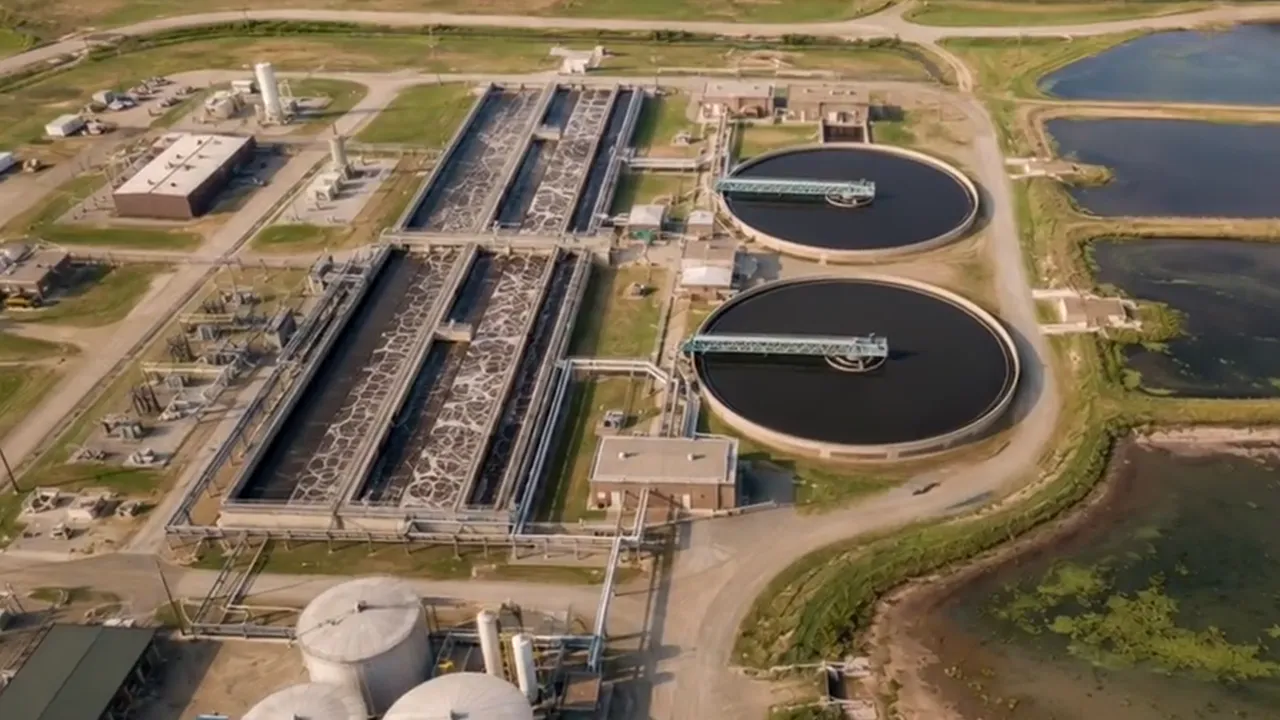
A colleague of one of your long-time customers needs a new source. Your name comes up. "Give them a call. We've used them for years." She means to. First, in a spare minute between meetings, she types the name into her phone.
She sees a photo of the plant, a line about quality and service, maybe the year you were founded. She cannot tell, quickly, whether you make the kind of part she buys, in the volumes she needs, for a company like hers. She goes back to the two names she already understands. You never hear about it. From your side, nothing happened.
We hear this a lot: "Our business is relationships. The website is just there to look professional." That's half right. The relationship got you on the list. But a new buyer is not judging the brochure. She's trying to decide, in under a minute, whether it's safe to send you an RFQ. If the first screen doesn't help her, the relationship never gets a chance to start.
Word of mouth is doing its job. The first visit often isn't.
Three suggestions
1. Put your customers' words on the homepage
The language on many industrial homepages is the language of a mission statement: quality, service, excellence, a team that cares. Your customers usually say something more useful. They name the process, the part, the industry, the reason they stayed.
Do this next week: Ask three good customers to describe what you do in one sentence, as if they were recommending you to a peer. Use the sentence that sounds most like them, at the top of the homepage.
2. Name the industries, parts and volumes in the first screen
A stranger should not have to hunt through a capabilities PDF to find out whether you belong on her list. If you serve automotive and industrial OEMs, say so. If you run certain volumes, or certain part sizes, say so. Specifics make it easier to stay. General claims make it easier to leave.
Do this next week: Look at the first screen on a phone. If industries, part types or volumes are missing, add them above the fold, in plain words.
3. Give each claim one piece of proof
"Quality" is a claim. A certification, a tolerance range, a named customer (with permission), or a short example of a part you've made is proof. One piece of proof per claim is enough. A cluster of unproven claims is not.
Do this next week: Highlight the three claims on your homepage that a new buyer would have to take on trust. Add one checkable fact under each.
How you'll know it worked
Show the homepage to someone outside the company for one minute, then close it. If they can tell you who it's for, what you make, and why a buyer might trust you, the first screen is starting to do its job. Over the next quarter, listen for new enquiries that mention the website, not only a person who referred them.
A question for your peers
When a customer recommends you, what does the next buyer actually see in the first screen, and has anyone who doesn't work for you checked?
Run the RFQ Leak Check to see where a first visit turns into a missed request.